Septic Tank Pumping & Maintenance

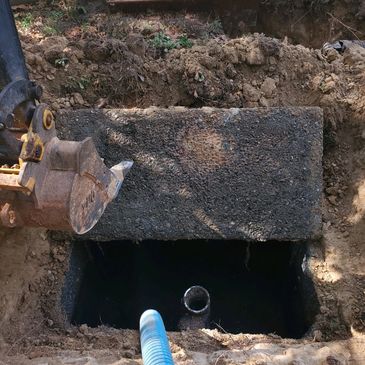
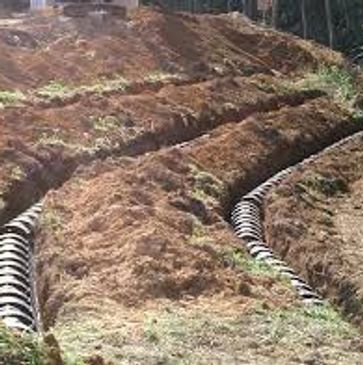
Septic TankA septic tank is a watertight, below surface enclosure, in which your home's waste-water is gathered. The waste water will stay inside the septic tank for a while to allow most of the solids to dissolve, after which the water passes on into the drain field from where it will slowly be absorbed back into the ground.

The contents of a septic tank consists of roughly three layers. The bottom layer contains all the heavier solid matter. In the middle you will find a layer of liquid. And on top there is a layer of floating solids we call scum. The solids decompose very slowly, and a residue will slowly build up at the bottom of the septic tank.

Septic tank maintenance

The residue in the septic tank is the reason you will need to have your septic tank pumped on a regular basis. This residue is not sterile and can contain all sorts of harmful bacteria and diseases. For this reason the use of this sludge on farmland is strongly discouraged.

Septic tank pumping & maintenance isn't entirely without risk, the gasses that form inside a septic tank, like methane and ammonia could be hazardous.

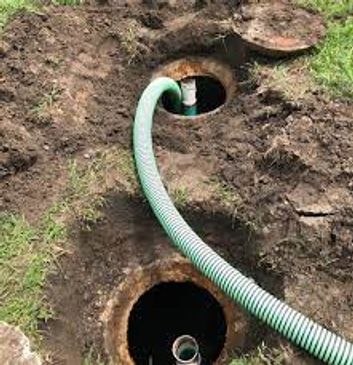
You can have your septic tank cleaned by a local septic tank service, The cost of pumping the septic tank may vary between different septic service providers, so be sure to check the pricing first. When pumping the septic tank, it's better to leave a little bit of sludge on the bottom of the tank. The sludge contains valuable bacteria, that will assure the decomposition process can be resumed as quickly as possible.

When to pump a septic tank?

No matter how well your septic tank works it will still need regular pumping. How often and when the septic tank should get pumped is hard to say. If you have a lot of wastewater going into your septic tank then the tank will require more frequent pumping then if you would be flushing less waste water into the septic tank.